Clay Wheels and Chipped Dice: Reconstructing Play in Ancient Mohenjo-daro

Play leaves few monuments. It leaves small things: a clay wheel, a whistle with a chipped mouthpiece, a cube marked for a game whose rules are lost. At Mohenjo-daro, those small things survive in enough variety to invite a careful question. What did childhood and leisure look like in a city that flourished roughly 4,500 years ago, long before screens, mass-produced toys, or written instructions?
For students and history buffs, the appeal is immediate. A miniature cart is recognizable. A die is familiar. A whistle needs no explanation. Yet familiarity can mislead. Archaeologists must decide whether an object was a toy, a ritual item, a model, a game piece, or something else entirely. The evidence is fragmentary, and the interpretation requires restraint.
The Evidence in Miniature
Among the small finds catalogued from Mohenjo-daro are terracotta carts and animals, perforated whistles, rattles, cubical dice, and a range of figurines. Many such objects are held in museum collections and have long been described in popular accounts as toys. The label is convenient, but it is not self-evident. A clay cart with movable wheels could have amused a child, served as a votive offering, or represented a real vehicle in miniature. A whistle could have been a child’s noisemaker, a signaling device, or part of a ceremony.
What matters is context. Objects found in domestic courtyards, streets, and workshop areas tell a different story from objects recovered from special deposits. Unfortunately, early excavations at Mohenjo-daro did not always record small finds with the precision modern archaeologists would prefer. Later research has improved methods, but the old collections still carry uncertainties. The responsible conclusion is not that every small cart was a toy. It is that play is one plausible and important use for a class of objects that miniature adult life.
A Child’s World in a Planned City
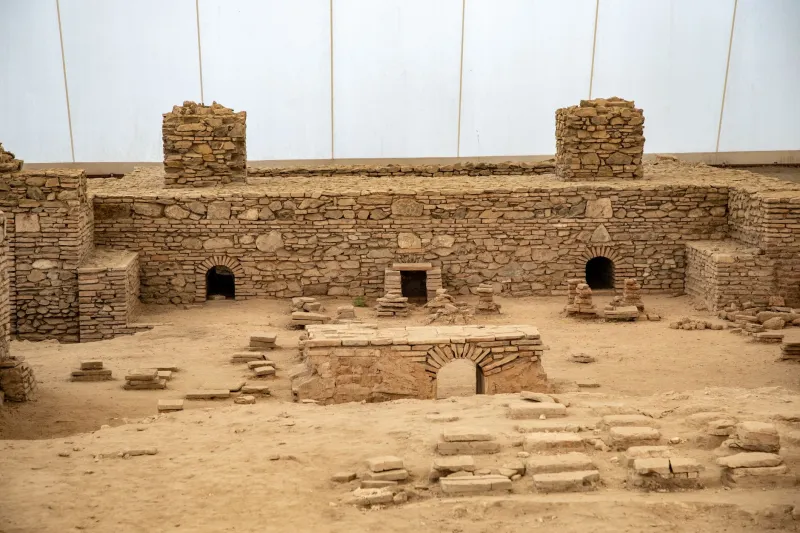
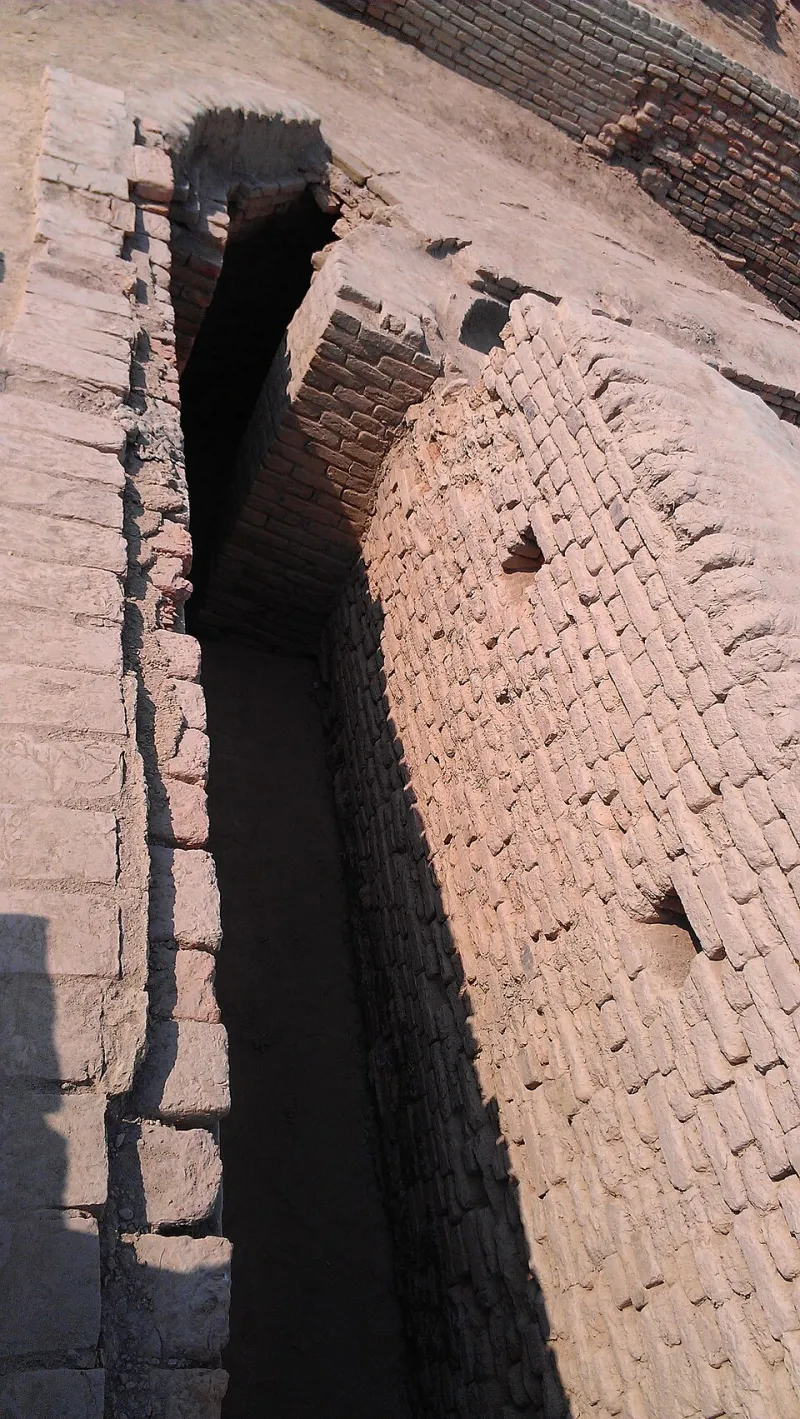
Mohenjo-daro was not an accidental settlement. Its streets were laid out with attention to drainage, access, and public works. Houses opened onto courtyards. Wells and bathing areas served neighborhoods. In such an environment, children would have grown up amid construction, craft production, and household routine. Play would not have been separate from that world. It would have been a way of entering it.
Miniature carts are especially suggestive. A child pushing a small wheeled vehicle is not simply passing time. The child is practicing balance, control, and imitation. Modern American families know this pattern well: toy trucks, ride-on cars, and miniature train sets introduce children to technologies that shape adult life. In the Indus Valley, a clay cart may have done similar cultural work. It made transport and craft visible at a scale a child could handle.
Animal figurines may have served comparable purposes. Some are sturdy enough to have been handled repeatedly. Others are finely modeled and may have had different roles. Without written testimony from children themselves, certainty is impossible. But the presence of small, portable, graspable objects in a sophisticated urban setting supports the view that play was part of daily life, not an afterthought.
Games, Sound, and Sociability
Dice and game pieces point toward another dimension of play: rules. A die implies agreement. Someone must decide what a throw means, whose turn comes next, and how a game ends. Even without surviving rulebooks, the objects suggest social play—play among siblings, friends, or adults. This is a useful corrective to the romantic image of ancient childhood as purely solemn or labor-filled.
Whistles and rattles add sound. A perforated clay whistle can produce a tone; a rattle can make noise when shaken. These are modest technologies, but they are technologies of attention. They attract, distract, and entertain. In a crowded neighborhood, such objects would have carried social meaning. A whistle might summon, annoy, accompany, or amuse. Modern playgrounds are full of similar sound-making toys, from whistles to noisemakers, and the social dynamics are not so different.
Game pieces and dice also raise questions about fairness, luck, and skill. These are abstract ideas, but children encounter them through concrete play. A board game teaches turn-taking. A dice game introduces chance. In Mohenjo-daro, as in a contemporary American family room, play could be a rehearsal for social rules.
What Play Teaches, and What Archaeology Cannot Say
Play is often described as practice for adulthood, but it is more than that. It develops motor skills, spatial reasoning, language, negotiation, and imagination. It can also be deeply pleasurable. Archaeologists cannot recover pleasure directly. They can recover the objects that made certain kinds of play possible.
The interpretive challenge is to avoid overclaiming. Not every figurine was a doll. Not every wheel was part of a toy. Some objects may have been discarded before finishing, used in rituals, or made for sale. The most honest approach is to present a range of possibilities and explain the reasoning. That is also the most educational approach for students. Archaeology is not a catalog of certainties. It is an argument built from material traces.
A Virtual Spot-the-Artifact Gallery
For readers using the Mohenjo-daro Online virtual gallery, close looking is the goal. The exercise is simple: examine each object as an archaeologist might.
- Look for wheel holes and axle marks. Do they show wear from repeated use?
- Examine dice for incised markings. Are the marks regular or irregular?
- Check whistles for a mouthpiece and a sound hole. Is there evidence of handling around the opening?
- Compare figurines by size and finish. Which seem sturdy enough for a child’s hand?
- Note the findspot, if known. Domestic context, street debris, and special deposits suggest different interpretations.
Students can then compare these objects with toys they know. A clay cart is not a plastic truck, but the impulse to miniaturize the adult world is recognizable. A die is not a modern board-game die, but the social act of rolling and waiting is familiar. The gallery is designed not to provide easy answers but to make careful questions visible.
Why Small Things Matter
Mohenjo-daro is often introduced through its grand engineering: streets, drains, wells, and the Great Bath. Those achievements deserve attention. But a city is also made of ordinary moments. Children playing near a doorway, adults gambling with dice, a whistle sounding across a courtyard—these are the textures of daily life that monuments cannot supply.
The toys and game pieces of Mohenjo-daro do not let us reconstruct a single childhood. They do let us see that childhood and leisure were part of the urban experience. In a city without screens, play was still complex, social, and inventive. The clay wheels and chipped dice are small, but they carry a large question: what does a civilization look like from a child’s height?